Am I Too Old to Become a Sound Healer?
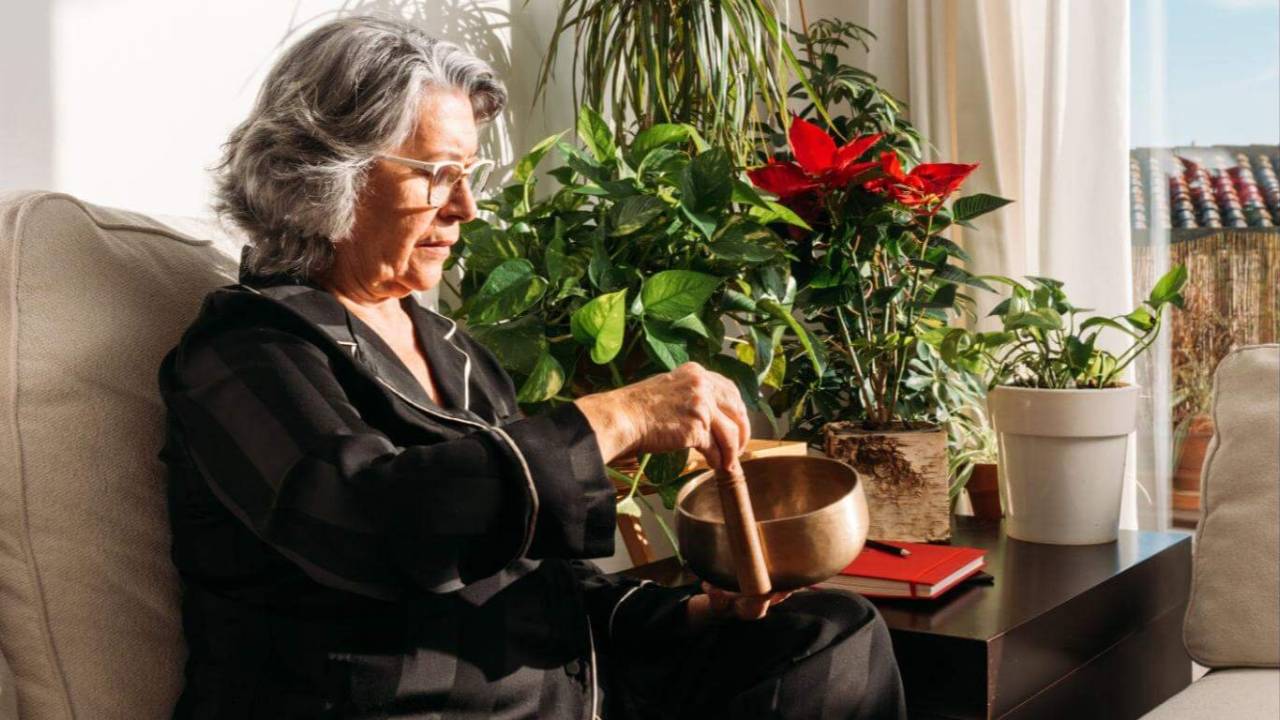
Am I Too Old to Become a Sound Healer? Why It’s Never Too Late to Start
Maybe you're 45, 55, 65 or beyond and sound healing has suddenly caught your attention.
And part of you is excited.
But another part is whispering:
“Haven't I left this a bit late?”
No.
You don't need to have discovered sound healing at 25.
In fact, the years you've spent working, raising a family, navigating change and learning about yourself can bring something valuable to this work.
At Holistic Wellness Academy, we believe you don't need to erase your past to begin a new chapter.
You bring it with you.
Quick Answer: Am I Too Old to Become a Sound Healer?
No.
You don't need to be young.
You don't need musical experience.
And you don't need to already work in wellness.
What matters far more is your willingness to learn, practice and develop the skills needed to facilitate sound healing thoughtfully.
And qualities such as patience, listening, empathy and communication?
Life may have already given you years of practice.
Can You Become a Sound Healer Later in Life?
Absolutely.
Sound healing can fit into your life in different ways.
Maybe your children are older and you finally have more time for yourself.
Perhaps you're approaching retirement and thinking:
“What do I want this next chapter to look like?”
Maybe you've spent 20 or 30 years in one career and want work that feels more meaningful.
You don't necessarily need to quit your job and completely reinvent your life either.
Sound healing could become:
- A personal practice
- A part-time offering
- An addition to your existing wellness work
- Group sound baths
- Private sessions
- A completely new direction
You get to decide how big this becomes.
Do You Need to Be Young, Fit or Musical?
No.
Sound healing isn't an Olympic event.
Nobody is timing how quickly you can get across the room with a singing bowl.
Depending on your training, you might learn to work with crystal singing bowls, Tibetan singing bowls, tuning forks, gongs, chimes and voice.
And you don't need to read music or perform.
You're learning sound healing techniques and facilitation, not preparing for a concert.
One thing beginners often don't realise is that the instruments are only part of the skill.
A good practitioner also needs to listen, communicate clearly, create a comfortable environment and be present with other people.
Those aren't skills reserved for 25-year-olds.
Why Life Experience Can Actually Help
Here's where starting later can become interesting.
Say you've spent 25 years working with people.
You've handled difficult conversations.
You've raised children.
You've changed careers.
You've supported friends through hard times.
You've learned when to speak and when to simply listen.
You're not arriving empty-handed.
You're bringing decades of human experience with you.
That doesn't automatically make someone a great practitioner. Training and practice still matter.
But life experience can give you a strong foundation for the people side of sound healing.
And the person receiving your session matters just as much as the instruments you're playing.
What If I'm a Complete Beginner?
Perfect.
That's what beginner training is for.
You aren't expected to know how to play every bowl, understand tuning forks or structure a sound healing session before you enrol.
That's a bit like saying:
"I'd love driving lessons, but I don't know how to drive yet."
Exactly.
That's why you take the lessons.
Inside our Sound Heals Certification Training, we help beginners build their understanding and practical skills step by step.
You learn.
You practice.
You become more familiar with your instruments.
And confidence starts growing from there.
Can You Start a Sound Healing Career Later in Life?
Yes.
And you don't have to build everything overnight.
You could begin with training, then practice your skills before gradually exploring professional opportunities.
Maybe you eventually facilitate one sound bath a month.
Perhaps you add sound healing to yoga, meditation or another wellness service.
Or perhaps it grows into something much bigger.
There's no rule saying your next career needs to look like your last one.
Frequently Asked Questions
What is the best age to become a sound healer?
There isn't one.
If you're willing and able to learn the skills, you can explore sound healing at many stages of adult life.
Can I become a sound healer after retirement?
Yes.
Retirement can give you more time to learn something new, develop a personal practice or explore a new professional direction.
Finishing one career doesn't mean you've finished learning.
Do I need musical talent?
No.
Sound healing isn't about musical performance. You can learn instrument techniques without being a musician.
What if I'm not very confident with technology?
Online learning doesn't mean you need to become a computer expert.
If you can watch videos, follow lessons and use basic online tools, you already have a starting point.
And like sound healing itself, technology gets easier when you use it.
Final Thoughts
So, are you too old to become a sound healer?
No.
Maybe you're not starting at 25.
But you're also not starting with 25 years of life experience missing.
You've learned things.
You've changed.
You've handled difficult days.
You've discovered more about who you are.
You aren't starting from scratch. You're starting from experience.
Don't spend the next five years wishing you'd started today.
Ready to Start Your Next Chapter?
If sound healing keeps pulling at your curiosity, our Sound Heals Certification Training at Holistic Wellness Academy can show you how to turn that curiosity into practical skills.
You don't need musical experience.
You don't need a wellness background.
And you certainly don't need to be 25.
You bring your life experience. We'll teach you the sound healing skills.
